


data-intensive application design
data-intensive application design
Secure checkout · Shop Pay, cards, PayPal
Couldn't load pickup availability

Description
Data-intensive application design is essential for addressing today’s most pressing challenges in system architecture. In a landscape filled with complex demands, the ability to ensure scalability, consistency, reliability, efficiency, and maintainability is more important than ever. With a multitude of options available, such as relational databases, NoSQL datastores, stream processors, batch processors, and message brokers, making informed architectural choices is a daunting task.
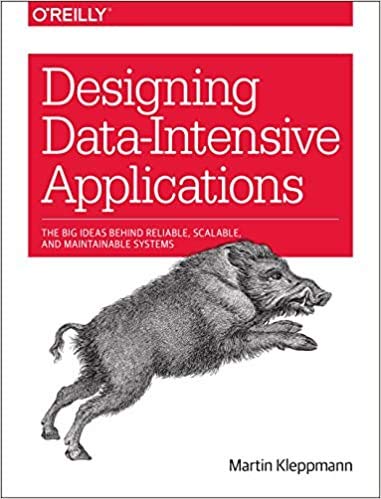
In the guide "Designing Data-Intensive Applications" by Martin Kleppmann, readers are equipped with in-depth knowledge to navigate these complexities effectively. The book delivers practical insights into the core trade-offs involved in systems design, enabling software engineers and architects to make prudent decisions based on the fundamental principles of software engineering. Although technology continues to evolve, the principles remain applicable for crafting robust applications that can withstand changing demands.
Key Takeaways:
- Understand System Trade-offs: Delve into the mechanics behind reliability, scalability, and maintainability to create systems capable of handling significant growth.
- Storage and Processing Engines: Learn to differentiate between relational databases, NoSQL systems, search indexes, and graph databases, choosing the optimal solutions for particular use cases.
- Data Flow Mastery: Gain insights into batch processing and stream processing architectures, including systems like Kafka and RabbitMQ, to establish effective data pipelines.
- Distributed Data Navigation: Develop a deep understanding of replication, partitioning, transactions, consensus mechanisms, and various consistency models.
- Bridging Theory and Practice: Discover timeless principles that empower developers to build systems that seamlessly scale under workload pressure.
Target Audience:
- Software Engineers: Enhance your backend architecture and database design abilities.
- System Architects: Obtain a standard reference to help assess data stacks and prevent costly mistakes.
- DevOps Professionals: Acquire a clearer perspective on how modern data systems function.
Free shipping
On every order to all 50 U.S. states. No minimum.
Ships in 1-2 business days
Orders are processed Monday to Friday. Orders close at 5:00 PM Eastern.
Arrives in 6-9 business days
5-7 business days in transit with USPS, UPS or FedEx. Tracking is emailed when your order ships.
30-day returns
Return any book within 30 days of delivery, in the condition you received it.
Return shipping
Paid by the buyer, unless the book arrived damaged or was the wrong item.
Refund in 7 business days
Approved refunds go back to your original payment method.
Book details
- Language
- English
- Condition
- New